
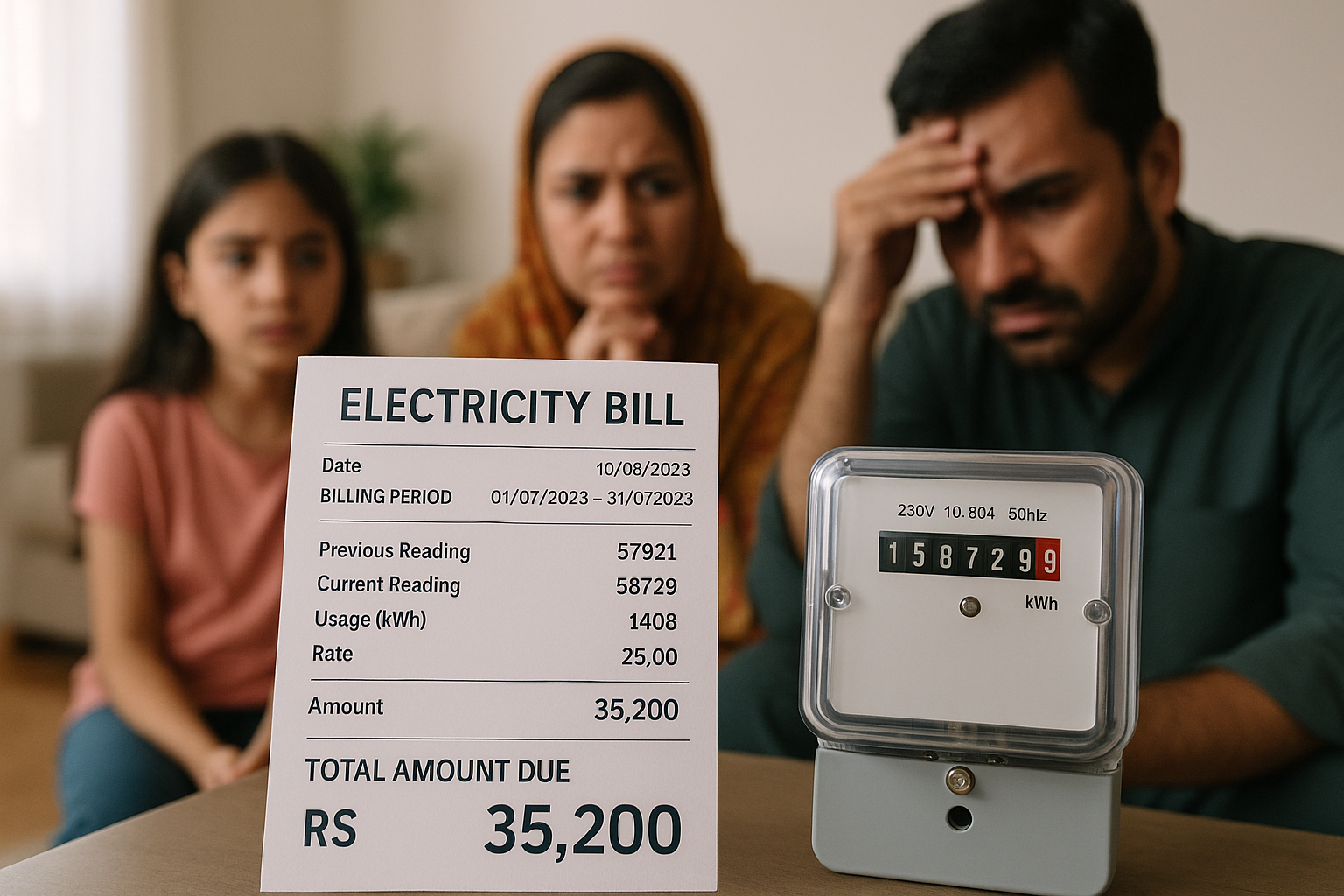
Pakistan’s Power Sector Faces Rs. 244 Billion Overbilling Scandal
In a startling revelation, the Auditor General of Pakistan has uncovered that eight major electricity distribution companies (DISCOs) overbilled consumers by Rs. 244 billion during the fiscal year 2023–24. The inflated charges in overbilling by power companies in 2023 disguised as “load adjustments” and excess meter readings were reportedly aimed at concealing systemic inefficiencies, line losses, and widespread electricity theft. This massive overbilling scandal not only exposes the financial burden unfairly shifted onto consumers, but also highlights the urgent need for regulatory reform and transparent energy auditing across Pakistan’s power sector.
How Much Did Power Companies Overbill Consumers in 2023–24?
According to the Auditor General of Pakistan, eight electricity distribution companies (DISCOs) collectively overbilled consumers by Rs. 244 billion in fiscal year 2023–24.
This overbilling was primarily used to mask line losses, inefficiencies, and electricity theft—instead of being transparently reported or resolved.
Which DISCOs were Involved in the overbilling by power companies in 2023?
The companies identified in the audit include:
- IESCO (Islamabad Electric Supply Company)
- LESCO (Lahore Electric Supply Company)
- HESCO (Hyderabad Electric Supply Company)
- MEPCO (Multan Electric Power Company)
- PESCO (Peshawar Electric Supply Company)
- QESCO (Quetta Electric Supply Company)
- SEPCO (Sukkur Electric Power Company)
- TESCO (Tribal Areas Electric Supply Company)

What Was the Scale of Overbilling?
- Over 900 million excess electricity units were charged during the year.
- In a single month, five companies overbilled 278,649 consumers, totaling Rs. 47.81 billion.
- Qesco alone overbilled Rs. 148 billion, primarily targeting agricultural tube wells.
- Rs. 22 billion was misrepresented as “load adjustment” to hide technical losses.
- 1,432 feeders issued inflated bills worth Rs. 18.64 billion.
- Audit teams were denied access to records in multiple cases.
Were Any Refunds or Disciplinary Actions Taken?
While some refunds were issued, the auditors reported widespread lack of documentation:
- Rs. 5.29 billion refunded for incorrect meter readings
- Rs. 2.18 billion in adjustments by PESCO
- No disciplinary action was recorded against responsible officials
This indicates systemic failure in accountability and consumer protection.
Why Did DISCOs Overbill?
Implicit Question: Why did these companies resort to inflated billing?
Answer: Overbilling was used as a financial cover-up to:
- Offset technical losses and theft
- Maintain artificial revenue balance
- Avoid regulatory scrutiny for inefficiency
How Can Consumers Protect Themselves from Overbilling?
Consumers can take the following steps:
- Regularly track meter readings
- File official complaints via NEPRA
- Demand auditable monthly statements
- Use smart meters to track real-time usage
Key Findings from AGP Audit (2023–24)
| DISCO | Overbilled Amount (Rs.) | Key Offense |
|---|---|---|
| QESCO | 148 Billion | Tube well overbilling in agriculture sector |
| Multiple (5) | 47.81 Billion | 278,649 consumers in a single month |
| All 8 DISCOs | 244 Billion | Annual overbilling to conceal losses |
| 1,432 Feeders | 18.64 Billion | Inflated bills and restricted audit access |
Final Takeaway
The Rs. 244 billion overbilling scandal by Pakistani DISCOs reveals a deeper structural issue in power governance, where consumers pay for inefficiencies they didn’t cause. Stronger audits, consumer awareness, and digital accountability tools are urgently needed.
FAQs
What is overbilling in electricity?
Overbilling occurs when consumers are charged for more units than they actually used, often due to inflated meter readings or policy manipulations.
Which DISCO overbilled the most in 2023–24?
QESCO was the largest offender, overbilling Rs. 148 billion mainly in the agriculture sector.
Are consumers getting refunds?
Some refunds were issued, such as Rs. 5.29B for meter errors, but most lacked proper documentation.
Why were auditors denied access?
Auditors were denied access to records of 1,432 feeders, raising concerns of deliberate concealment.
Can overbilling be legally challenged?
Yes. Consumers can file complaints with NEPRA and use evidence like past meter readings to support their case.